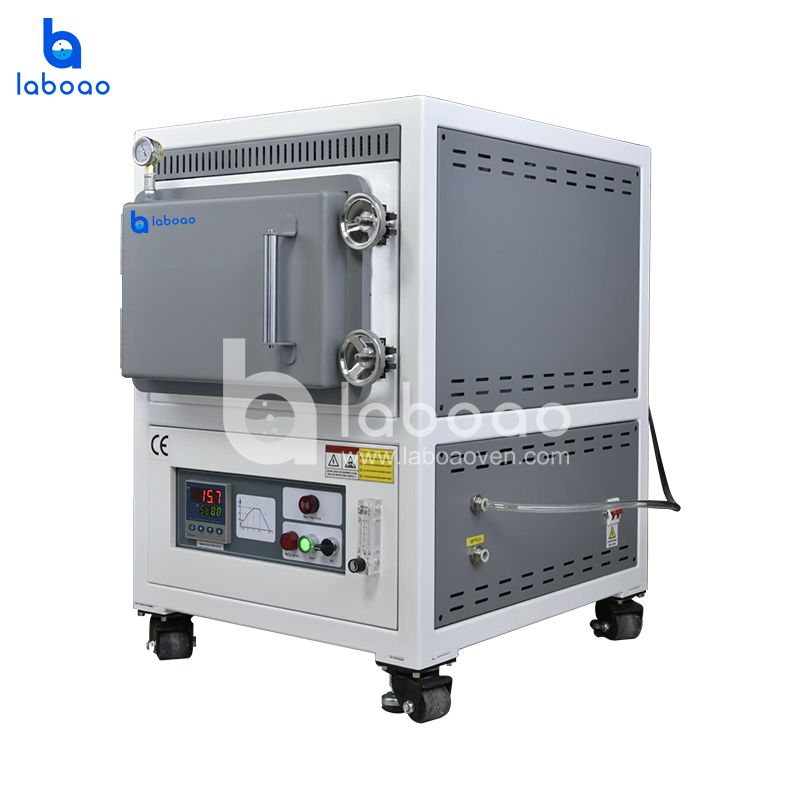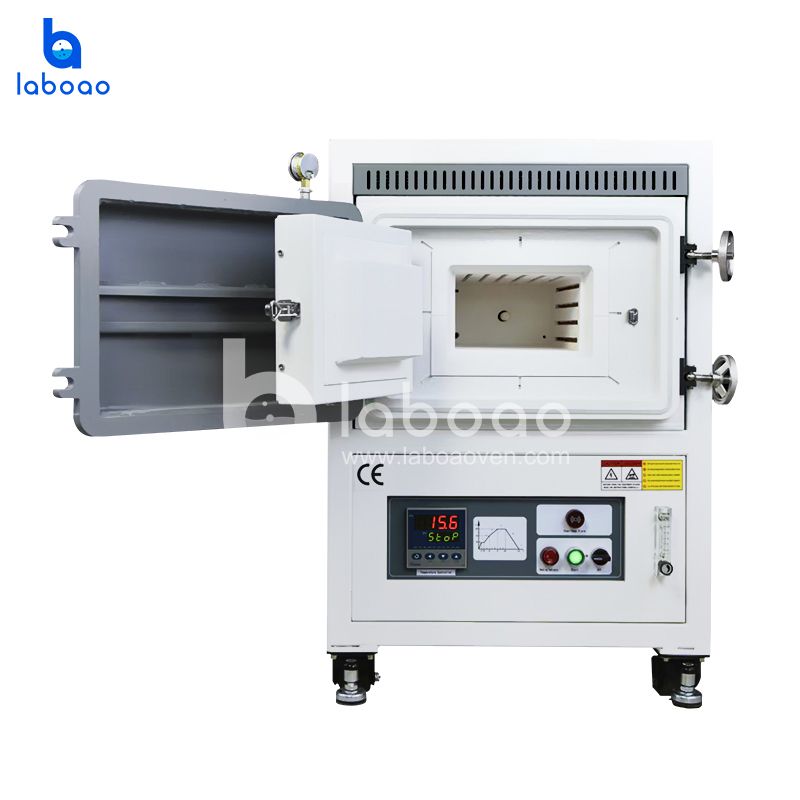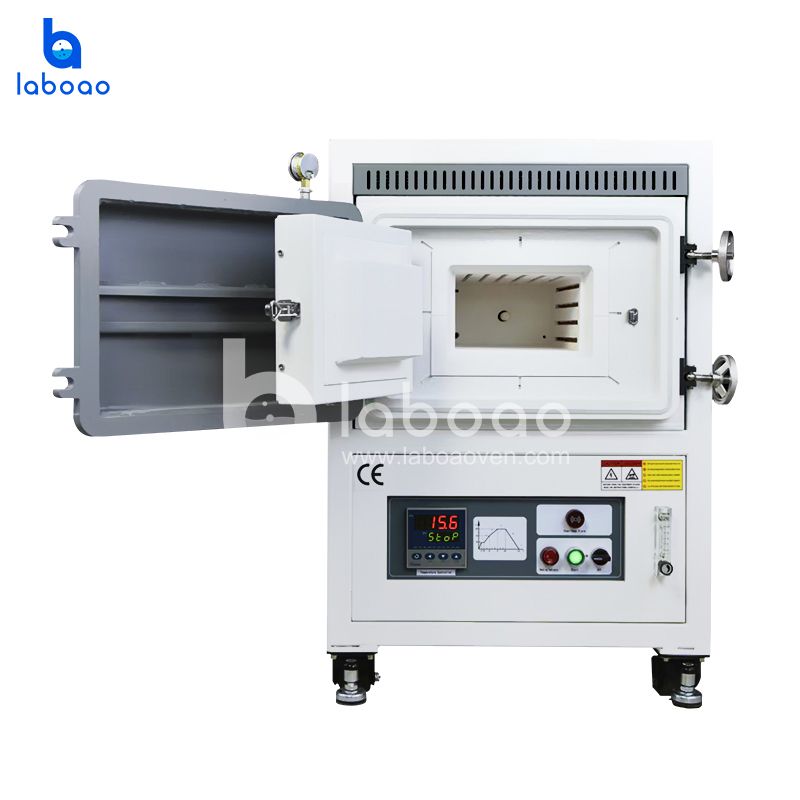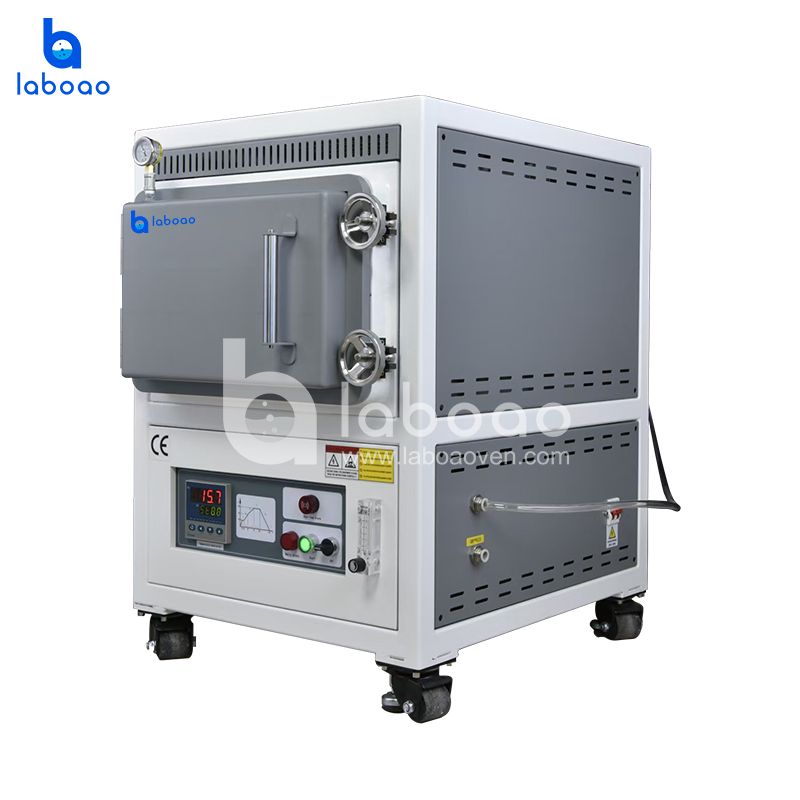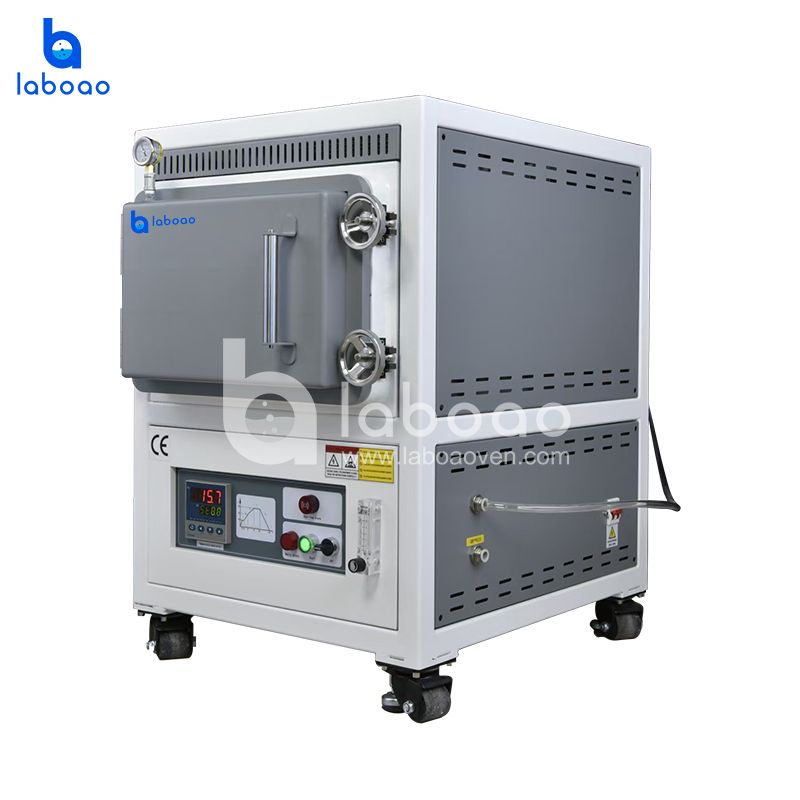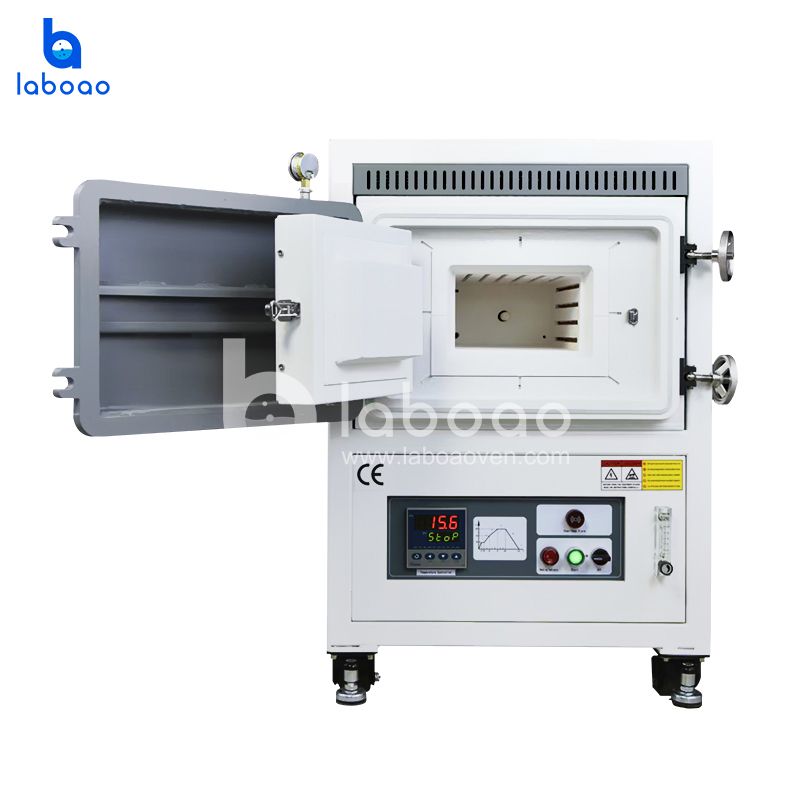
This article provides a detailed analysis of the characteristics of heating elements in box-type resistance furnaces, along with usage precautions and methods for improving efficiency. It aims to help you fully master equipment operation and maintenance techniques, ensuring efficient and safe use.
I. Factors Affecting the Efficiency of Box-Type Resistance Furnaces
1. Furnace Design and Dimensional Optimization
The design of the box-type resistance furnace directly impacts heat exchange efficiency. For example, raising the temperature in the preheating zone can create an additional heating zone, while the use of flat-flame burners on the furnace roof can achieve more uniform heat distribution. A well-designed furnace structure minimizes heat loss and maximizes thermal energy utilization.
2. Automated Control Technology
Automated control is a key method for enhancing the efficiency of box-type resistance furnaces. Through automatic thermal regulation, parameters such as furnace temperature and pressure can be monitored and adjusted in real-time, ensuring the equipment operates at peak performance. This technology not only boosts output but also reduces energy consumption.
3. Minimizing Heat Loss
Heat loss is a primary factor affecting the efficiency of resistance furnaces. Improving furnace insulation materials and structural design can effectively reduce heat loss through conduction. Additionally, optimizing the cooling water system design prevents excessive heat removal, thereby improving overall thermal efficiency.
4. Charge Capacity and Chamber Design
While keeping the furnace base unchanged, enlarging the heating chamber allows for a larger charge capacity, thereby increasing the equipment's production output. However, chamber design must be tailored to specific needs—for instance, avoiding an excessively high chamber, which could result in the metal surface temperature being too low.
II. Selection and Characteristics of Heating Elements for Box-Type Resistance Furnaces
1. Nickel-Chromium Alloy Heating Wire
Nickel-chromium alloy wire is the most widely used heating material, suitable for applications requiring temperatures between 1000°C and 1200°C. Its advantages include low cost and good electrical conductivity; however, it is prone to oxidation at high temperatures, which shortens its service life. Furthermore, the wire generates inductive reactance when energized, which may affect heating uniformity. 2. Silicon Carbide Heating Elements
Silicon carbide heating elements are non-metallic, high-temperature electric heating components suitable for applications requiring temperatures between 1300°C and 1400°C. Compared to metallic heating elements, they offer advantages such as high operating temperatures, oxidation resistance, corrosion resistance, and a long service life. While they possess high electrical resistivity and heating efficiency, care must be taken to protect them from corrosion caused by alkaline substances and high-temperature gases.
3. Molybdenum Disilicide Heating Elements
Molybdenum disilicide heating elements are high-performance components suitable for high-temperature environments ranging from 1600°C to 1700°C. The quartz glass film that forms on their surface effectively prevents oxidation, granting them excellent oxidation resistance. Their electrical resistance increases with temperature, allowing for the mixed use of new and old elements. However, they are relatively brittle at room temperature, so proper installation and handling are required.
III. Precautions for Using Box-Type Resistance Furnaces
1. Installation and Placement
The box-type resistance furnace should be placed on a level surface; it is recommended to place an asbestos board underneath to prevent the supporting surface from overheating. The controller should be positioned away from the furnace body to prevent overheating from affecting the normal operation of electronic components.
2. Electrical Configuration and Safety
Configure appropriate plugs, sockets, and fuses based on the furnace's rated voltage, and ensure that both the furnace body and the controller housing are properly grounded. Lay a thick rubber mat on the floor in front of the high-temperature furnace to prevent the risk of electric shock.
3. Initial Use and Furnace Drying
A furnace drying procedure is mandatory before the initial use or when reusing the furnace after a long period of inactivity. The drying process involves a gradual temperature increase tailored to the specific equipment model—for example, rising from room temperature to 800°C in stages, with a two-hour hold at each stage.
4. Sample Calcination and Melting
When performing sample calcination or melting inside the furnace, samples must be placed in high-temperature-resistant porcelain crucibles or dishes. Operating conditions must be strictly controlled to prevent excessive temperatures that could cause splashing or corrosion of the furnace chamber.
5. Replacement and Maintenance of Silicon Carbide Elements
Silicon carbide elements naturally age during use. When heating output becomes insufficient, the power setting should be adjusted step-by-step to the maximum level, and the elements should be replaced promptly to ensure effective heating performance.
6. Thermocouple Protection and Operation
Avoid striking the thermocouple when placing the crucible or crucible stand inside the furnace to prevent the hot junction from breaking at high temperatures. After the heating process is complete, disconnect the power supply and allow the furnace temperature to drop before removing the contents.
7. Safe Operation and Maintenance
Do not store flammable or explosive materials near the box-type resistance furnace, and do not heat materials that pose an explosion risk inside the furnace chamber. After use, promptly disconnect the power supply and close the furnace door to prevent moisture from entering the chamber.