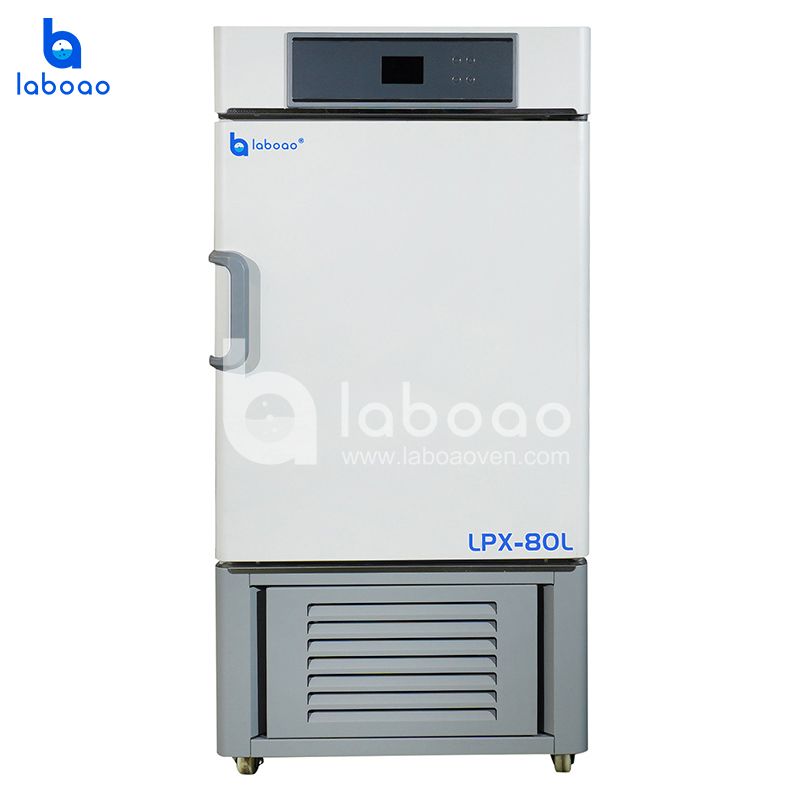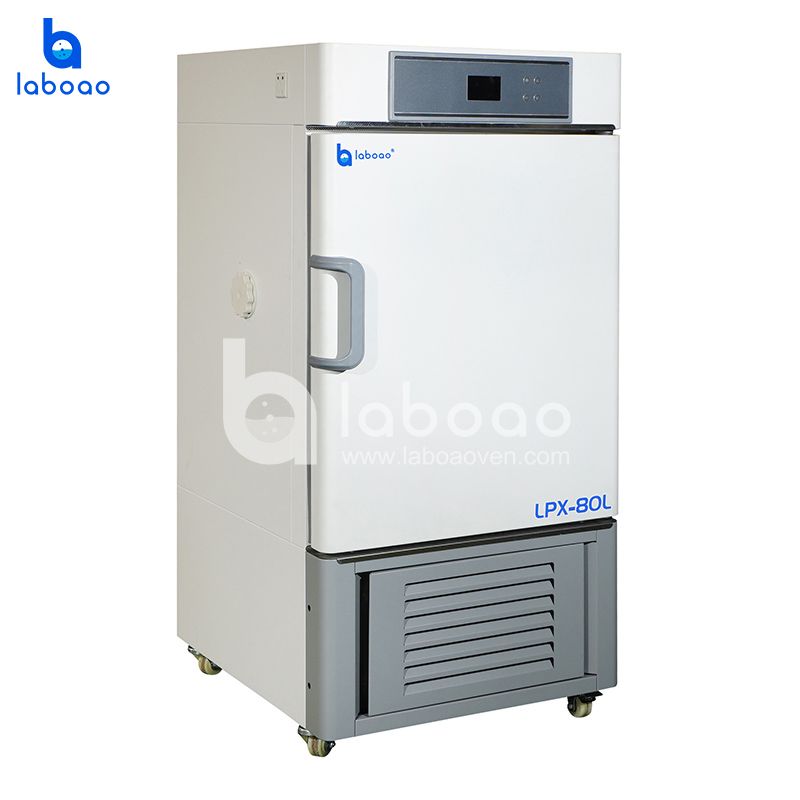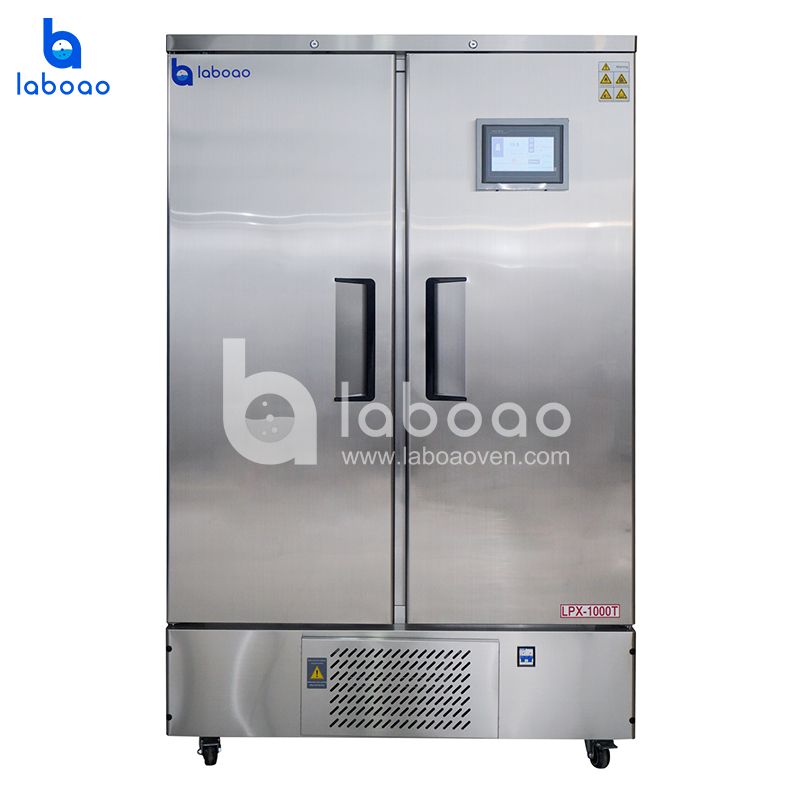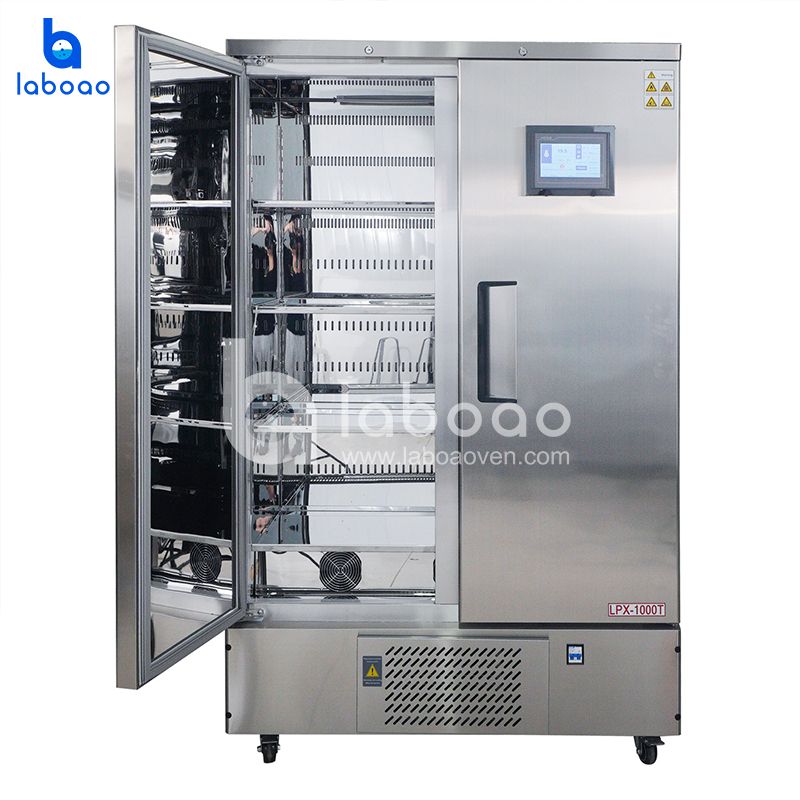
This article analyzes the specific application value of seven core accessories in experiments.
1. Test Hole: The "Invisible Channel" for Experimental Intervention
The test hole is a sealed interface penetrating the side wall of the incubator, typically 20-50mm in diameter, equipped with a silicone sealing ring to ensure no leakage of temperature and humidity. In microbial fermentation experiments, researchers can insert a pH electrode or dissolved oxygen probe through the test hole to monitor the acid-base changes and oxygen content of the culture medium in real time, avoiding environmental fluctuations caused by frequent door openings. For example, in high-density E. coli fermentation experiments, the test hole, in conjunction with an online monitoring system, can accurately capture the metabolic inflection point of the logarithmic growth phase, providing data support for the timing of feeding. Furthermore, for experiments requiring the phased addition of reagents (such as enzyme reaction kinetics studies), the test well can serve as the operating channel for a sterile syringe, enabling the addition of reactants in minute quantities and significantly reducing the risk of contamination.
2. BOD Socket: The "Energy Hub" for Oxygen-Demanding Experiments
Biochemical oxygen demand (BOD) measurement is a classic method for assessing the degree of organic pollution in water bodies, and the BOD socket is specifically designed for such experiments. This accessory typically provides a safe 12V voltage output, allowing simultaneous connection of stirring devices from 8-12 BOD analyzers. In BOD5 determination of water samples, with the incubator set to a constant temperature of 20°C, the BOD socket provides continuous power to the stir bar of each culture flask, ensuring sufficient contact between the water sample and air. Compared to traditional external power supplies, the integrated BOD socket not only simplifies wiring but also avoids stirring rate fluctuations through voltage stabilization technology, keeping dissolved oxygen measurement errors within ±0.1 mg/L and improving data repeatability by 40%.
3. Independent Temperature Limiter Controller: "Double Insurance" for Experimental Safety
A malfunction in the incubator's main temperature control system could lead to temperature runaway, causing damage to experimental materials. The independent temperature limit controller uses sensors and alarm modules separate from the main system. When the temperature exceeds a preset threshold (typically 39℃ in microbial culture experiments), it immediately cuts off the heating power and triggers an audible and visual alarm. In gradient cooling experiments before cell cryopreservation, if the main system unexpectedly heats up, the temperature limit controller can respond within 10 seconds, preventing stem cells from losing activity due to heat stress. For the long-term preservation of precious strains, this accessory can further minimize the risk of accidental loss through dual protection.
4. Intelligent Program Controller: The "Automated Brain" of Complex Experiments The intelligent controller, equipped with multi-segment programming capabilities, can preset 8-16 sets of temperature and humidity curves to meet the needs of periodic environmental simulation. In plant seed germination experiments, researchers used the controller to set a cyclical program of "15℃ dark culture for 12 hours → 25℃ light for 12 hours," accurately simulating diurnal temperature variations, improving efficiency by 3 times compared to manual adjustment. In vaccine stability testing, the program controller can achieve stepped temperature changes from -20℃ to 37℃, quickly screening for the optimal storage conditions. Its built-in PID algorithm can control the heating and cooling rates within ±0.5℃/min, ensuring smooth and shock-free temperature changes.
5. RS485 Interface: An "Information Bridge" for Data Interconnection
The RS485 interface enables communication between the incubator and a computer or IoT platform via the Modbus protocol, supporting data transmission within 1200 meters. In stability studies in the pharmaceutical industry, temperature and humidity data from multiple incubators can be uploaded in real-time to a central monitoring system via this interface, forming an Electronic Data Record (EDR) that meets GMP requirements for data traceability. In research institutions, this interface is often integrated with Laboratory Information Management Systems (LIMS) to automatically generate experimental reports and reduce errors from manual recording. For example, in antibiotic potency assays, temperature fluctuation data transmitted via RS485 can be correlated with inhibition zone diameter measurements to enhance the depth of data interpretation.
6. Mini Printer: A "Paper Certificate" for Instant Data
Although electronic data storage has become mainstream, mini printers still play an irreplaceable role in on-site recording. Utilizing thermal printing technology, they can automatically output parameters such as temperature and humidity curves and runtime at key experimental points (such as the end of incubation). In pathogen detection at grassroots disease control centers, operators can obtain instant reports via printers to quickly determine whether sample culture conditions meet standards. This accessory supports encrypted data printing, with each report accompanied by a unique QR code that can be scanned to verify authenticity, effectively preventing data tampering.
7. Color Touchscreen: A "Smart Window" for Human-Computer Interaction
The 10-12 inch color touchscreen integrates parameter settings, curve display, and fault diagnosis functions, reducing the learning curve through icon-based operation. In cell culture experiments, researchers can intuitively view the 72-hour temperature fluctuation curve, and clicking on anomalies displays detailed logs. The touchscreen supports gesture zooming for precise adjustment of key parameters such as CO₂ concentration. For multi-user laboratories, the touchscreen can also be configured with tiered access permissions to prevent unauthorized operation. Its built-in operation guidance videos help beginners quickly master the setup methods for complex procedures such as anaerobic culture, shortening the equipment startup cycle by 50%.
The synergistic application of these accessories upgrades the biochemical incubator from a simple temperature control device into an intelligent experimental platform. In practice, the combination of the test port and the RS485 interface enables a closed loop of "real-time monitoring - data transmission - remote control"; the BOD socket, in conjunction with the intelligent controller, can complete unattended long-term oxygen consumption experiments. With the increasingly sophisticated development of life science research, innovation in accessories will continue to drive improvements in experimental efficiency and data reliability, becoming a crucial technological support for scientific breakthroughs.